Understanding Sanctions Programs A Comprehensive Overview

In the complex web of international relations, sanctions programs overview emerges as a crucial area of study. Sanctions are tools used by countries and international organizations to exert pressure on states or entities to change their behaviors. This article provides an in-depth overview of what sanctions programs entail, their types, and the implications they carry on the global stage.
What Are Sanctions?
Sanctions are measures taken by countries or international bodies to influence the behavior of a specific target, usually a nation-state. They can be economic, diplomatic, military, or cultural in nature, but their primary goal is often to compel compliance with international norms, uphold human rights, or deter aggression. By restricting access to resources or markets, sanctions aim to alter the decisions of governments or organizations without resorting to armed conflict.
Types of Sanctions
Sanctions can be broadly categorized into several types:
- Economic Sanctions: These involve restricting trade, investment, or financial transactions. They can include embargoes on goods and services, freeze assets, and limit access to financial markets.
- Diplomatic Sanctions: This type involves reducing or cutting diplomatic ties. Countries may expel diplomats or limit the capacity for diplomatic discussions.
- Military Sanctions: These measures may include arms embargoes or the prohibition of military assistance.
- Cultural and Sport Sanctions: These involve barring a nation from participating in international sporting events or cultural exchanges.
Key Objectives of Sanctions Programs
Sanctions seek to achieve various objectives, including:
- Enforcing International Law: Many sanctions are designed to enforce international laws and norms, particularly regarding human rights violations, aggressive actions, or terrorism.
- Promoting Human Rights: Sanctions can pressure regimes to improve human rights records by targeting specific leaders or sectors.
- Deterrence: By imposing costs on undesirable behavior, sanctions aim to deter countries from engaging in activities deemed unacceptable by the international community.
- Negotiation Leverage: Sanctions can provide leverage in diplomatic negotiations, encouraging compliance with international demands.
Sanctions Regimes: A Global Perspective
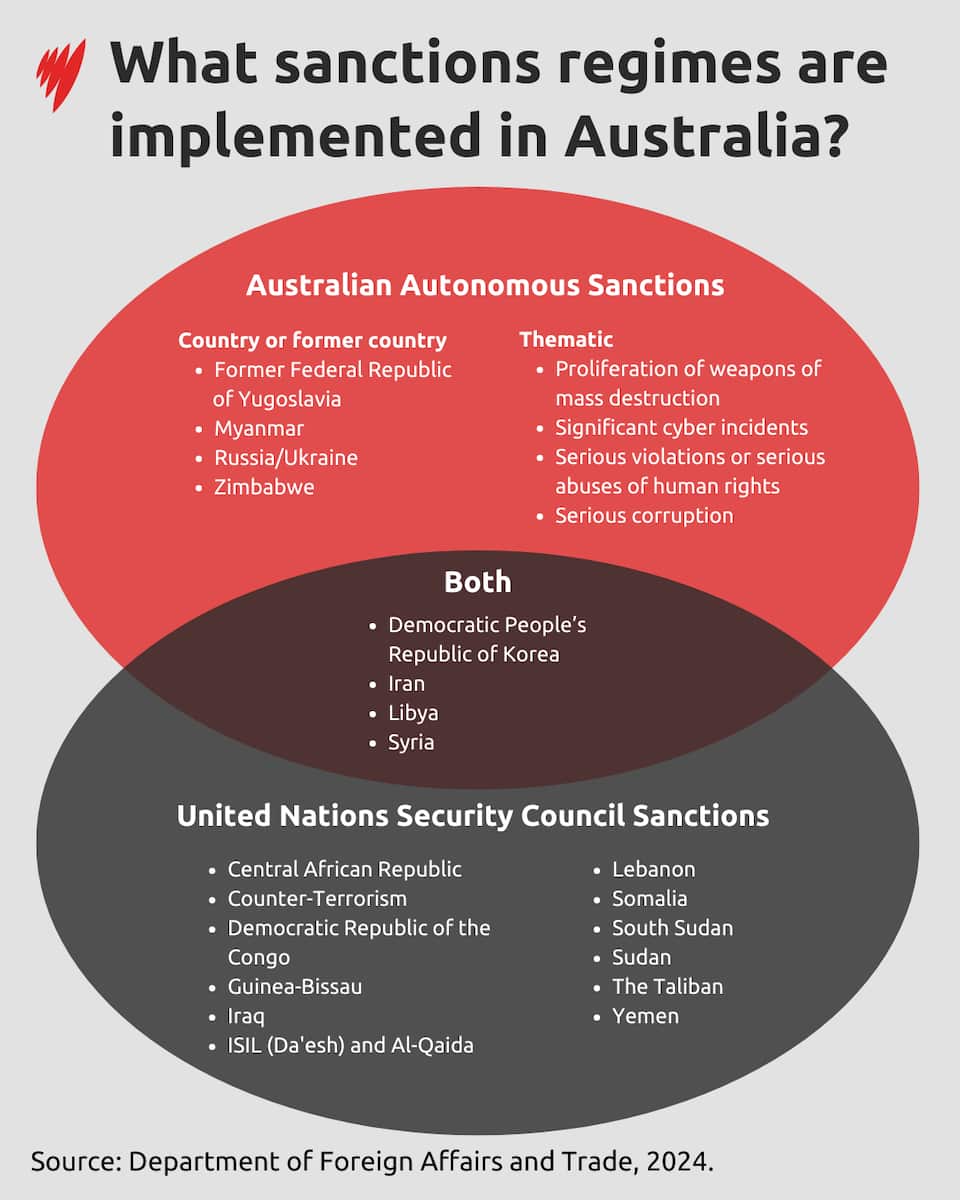
Many countries and international organizations implement sanctions regimes. Some of the most notable include:
The United Nations Sanctions
The United Nations (UN) is perhaps the most significant institution concerning international sanctions. The UN Security Council can impose sanctions to maintain or restore international peace and security. These sanctions can affect entire countries or specific individuals and entities, involving arms embargoes, travel bans, or asset freezes.
EU Sanctions
The European Union also has a robust sanctions policy that targets individuals, groups, undertakings, and entities. EU sanctions aim to follow and enforce UN sanctions while also addressing its circumstances, including promoting human rights and democracy.
US Sanctions
The United States has historically been a leader in imposing unilateral sanctions. Through various legislation, including the Office of Foreign Assets Control (OFAC), the US can target countries, organizations, and individuals for various reasons, including terrorism, narcotics trafficking, and human rights abuses.
Challenges and Criticism of Sanctions Programs
While sanctions are intended to be a non-violent approach to conflict resolution, they are not without their challenges and criticisms:
- Humanitarian Impact: Sanctions can inadvertently harm civilians, leading to shortages of essential goods and services. This often raises ethical concerns regarding their implementation.
- Effectiveness: The effectiveness of sanctions is often debated. Critics argue that they may strengthen the resolve of targeted regimes rather than compel them to change.
- Implementation and Enforcement: Enforcing sanctions can be challenging, particularly if there are no international consensus or cooperation. Countries may find ways to circumvent sanctions.
The Future of Sanctions
Looking ahead, sanctions will likely continue to play a significant role in international relations. As the global political landscape evolves, so too will the mechanisms and strategies behind sanctions. The advent of economic globalization complicates their effectiveness, and the need for coordinated responses is increasingly pressing.
Furthermore, the rise of digital currencies and online markets poses new challenges for enforcement, requiring innovative approaches. Overall, the future of sanctions will depend on international cooperation, adaptability, and the ability to align them with broader diplomatic efforts.
Conclusion
In summary, sanctions programs represent a critical aspect of international relations, serving as tools for enforcing compliance with global norms. While they provide a non-military means of addressing conflict, their effectiveness, humanitarian implications, and ethical considerations merit continual examination. As the world navigates complex geopolitical dynamics, understanding the nuances of sanctions will be essential for policymakers and citizens alike.